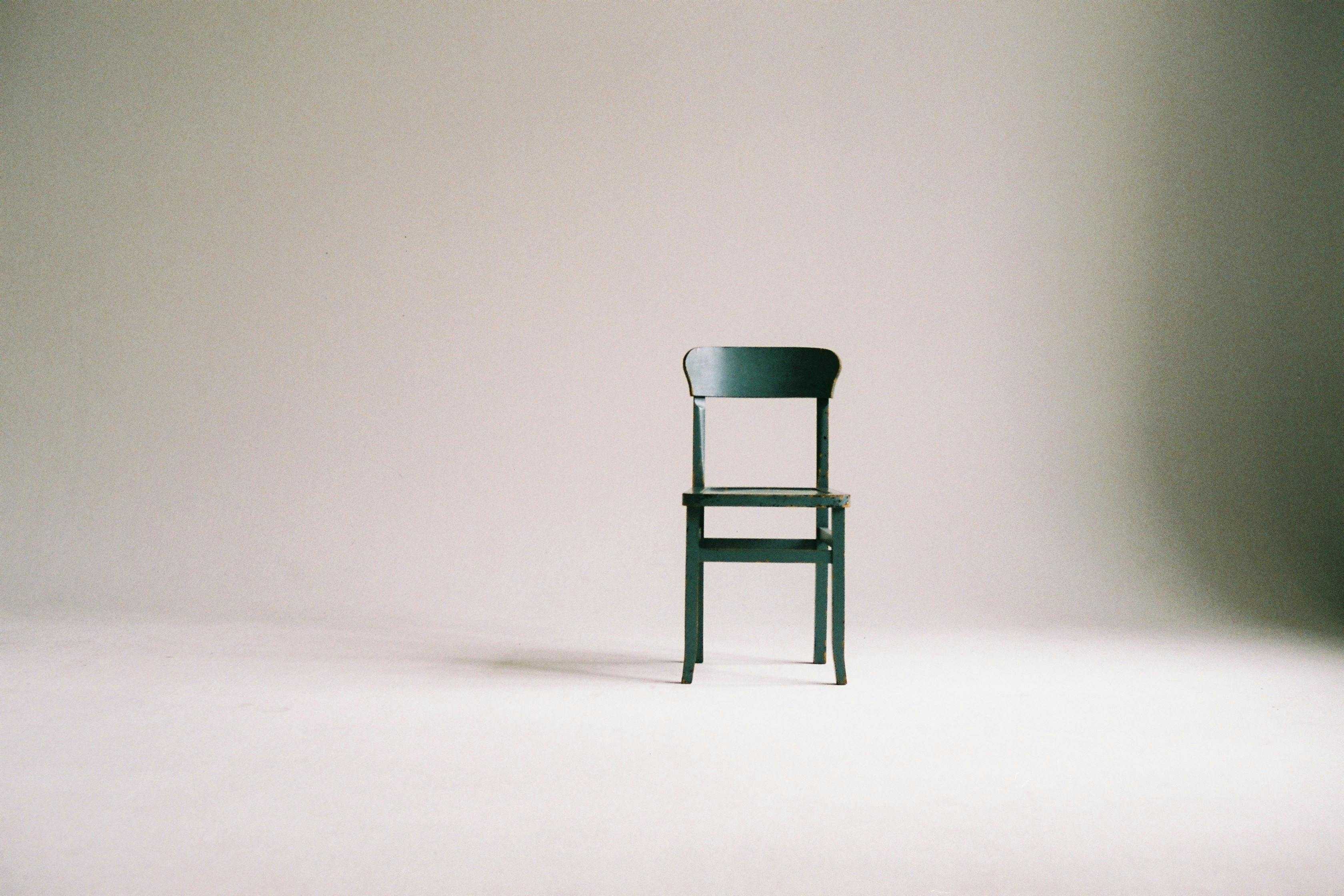
In the intimate theater of psychotherapy, every element carries weight and meaning. Among the most overlooked yet profoundly significant components are the chairs themselves – silent witnesses to countless human stories, repositories of comfort and vulnerability, and powerful symbols that shape the therapeutic encounter in ways both subtle and profound.
The Architecture of Trust
The positioning of chairs in a therapy room speaks volumes before a single word is exchanged. When chairs face each other directly, they create an environment of engagement and confrontation – sometimes necessary for breakthrough moments, yet potentially intimidating for vulnerable clients. Chairs positioned at slight angles offer a gentler approach, allowing clients to look away when emotions become overwhelming while maintaining connection. This seemingly simple arrangement reflects a therapist's understanding of human psychology and their commitment to creating safety within challenge.
The height relationship between chairs carries equal significance. Chairs of equal height suggest equality and mutual respect, fundamental principles in person-centered therapy. When a therapist's chair sits slightly lower, it can communicate humility and the client's empowerment in their own healing journey. Conversely, elevated positioning might inadvertently reinforce power dynamics that could hinder therapeutic progress.
Material Comfort, Emotional Safety
The physical comfort of therapeutic chairs transcends mere ergonomics. Soft, enveloping chairs can encourage regression and emotional release, providing a sense of being held during difficult moments. Firmer seating might support clients who need to maintain alertness and engagement, particularly those working through trauma or requiring structured interventions. The texture, color, and style of chairs contribute to the overall ambiance – warm, earthy tones fostering connection, while neutral palettes offer emotional neutrality.
Symbolic Representations
Beyond their practical function, chairs in therapy rooms become powerful metaphors. They represent the client's willingness to "sit with" difficult emotions rather than flee from them. The act of settling into a chair marks a transition from the external world into the sacred space of self-exploration. For many clients, their relationship with the chair mirrors their relationship with therapy itself – initial discomfort giving way to familiarity, resistance softening into acceptance.
The empty chair technique, pioneered by Fritz Perls in Gestalt therapy, elevates the chair from furniture to therapeutic tool. By addressing an empty chair as if it contains an absent person or unexpressed aspect of themselves, clients can explore relationships, resolve conflicts, and integrate fragmented parts of their personality. The chair becomes a vessel for dialogue with the unseen and unspoken.
Cultural and Personal Dimensions
Chairs also carry cultural significance that skilled therapists consider carefully. In some cultures, specific seating arrangements convey respect or hierarchy. Personal histories with chairs – childhood memories of being sent to corners, family dinner tables, or comfort during illness – may unconsciously influence a client's therapeutic experience.
The Therapeutic Container
Ultimately, chairs in psychotherapy serve as more than seating; they are integral components of the therapeutic container. They ground the experience in physical reality while supporting emotional exploration. They witness transformation, hold space for pain, and celebrate growth. In their steadfast presence, chairs remind us that healing happens not in isolation, but in relationship – with others, with ourselves, and with the spaces that hold us as we dare to change.
The next time you enter a therapy room, notice the chairs. In their careful placement and thoughtful selection lies a therapist's understanding of the profound truth that healing happens when we feel safe enough to sit still and face ourselves.